


Sep 16, 2022

Summer has officially come to a close and with the changing of the seasons comes a dramatic shift in weather! With temperature varying it’s a good idea to check up on your tires PSI! Properly inflated tires can make your tires last longer, can improve handling and control, reduce the risk of accidents and blowouts, improve your fuel economy and even reduce your carbon footprint! So take a look at our tire tips below and make sure your PSI is up to standard! Not into DIY? Schedule your service appointment at our Volkswagen Service Center and let our certified technicians take care of your ride!
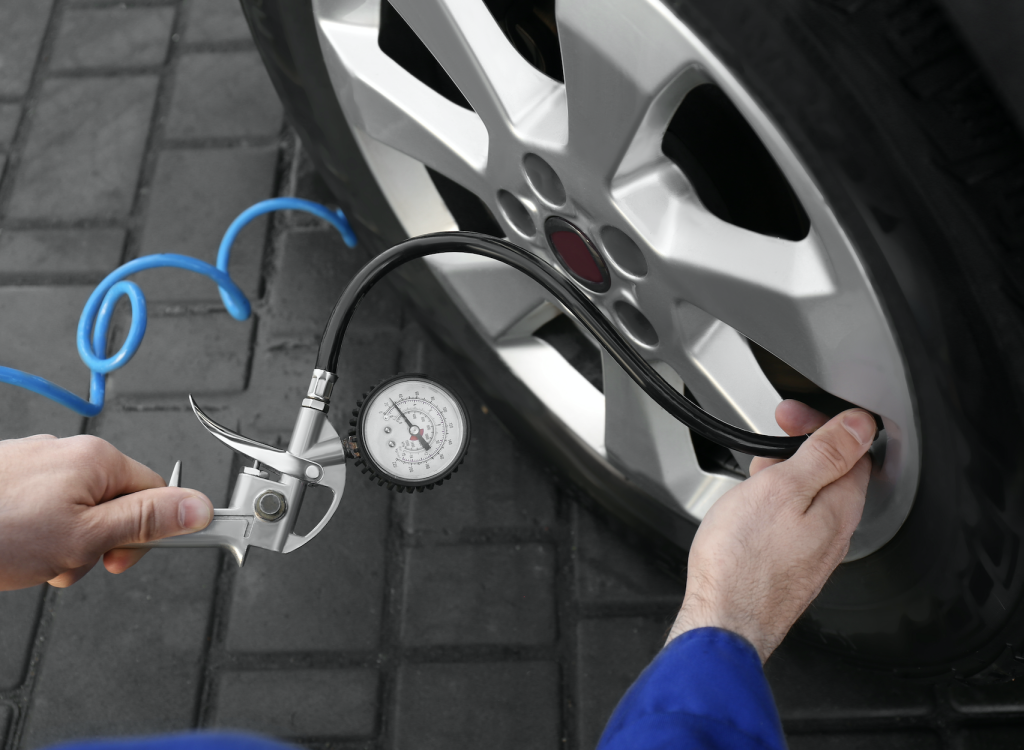
What’s the right PSI level?
- The recommended PSI for your vehicle’s tires is determined by the vehicle’s manufacturer and the recommended tire size.
- You can find this information in your owner’s manual or on the placard inside of the door edge, glove box door, or fuel door.
- In most newer vehicles, your vehicle will alert you when your vehicle’s tires fall below the recommended PSI
- Do NOT use the max PSI that is printed on the tire sidewall. The pressure amount on the tire is normally the maximum allowed pressure.
- Over-inflation can lead to poor handling and comfort, overheating, and blowouts.
How to properly inflate your tires.
- If you do not have air at home, most gas stations have an air pump for you to use.
- Remove dust caps from the tires’ valve stems.
- Insert your tire gauge into the tire valve and leave it in for a few seconds
- When you remove it, the gauge will provide a PSI reading
- If the tire gauge’s recorded reading is higher than the manufacturer-recommended rating, press the gauge tip on the valve stem until you hear air leak out. Check the tire pressure again.
- If the reading is lower than recommended, you will need to fill the tire with air.
- When filling the tire, firmly press the air-hose into the valve, as you did with the tire – gauge
- When you think you’ve added or let out enough air, check the pressure a few times with the gauge.
- Return the valve dust caps.
Connect with us


Recent Blog Entries
- This Month’s Volkswagen Specials Are Waiting at King Volkswagen
- Volkswagen Carefree Coverage Takes Care of the First Few Years
- Smart to Buy, Smarter to Own: Why Lower Maintenance Costs Matter More Than Most Drivers Realize
- The 2027 Volkswagen Atlas Feels Like the SUV People Actually Wanted in the First Place
- King Volkswagen Monthly Offers: Smart Value Meets Iconic German Engineering