



Spring is right around the corner and it’s never too early to get started on your spring cleaning checklists! One of the most overlooked tasks by a car owner is remembering to top off your fluid levels! Your vehicle’s fluids all have a level that they should remain at and when they fall below that level, a whole myriad of issues can occur. If you don’t even know what fluid levels you should be checking, then this week’s blog is perfect for you! Below you will see that we have listed out all of the fluid levels you should be keeping an eye on! Topping off your fluid levels is a fairly easy task, and should only take you a few minutes to complete. However, if you’re not a DIY person, just schedule a service appointment at King Volkswagen and let our team get your ride back in tip-top shape!
King Volkswagen’s Car Fluid Level Guide:
Engine Oil:
- Your engine needs oil in order to keep moving parts lubricated and working properly. To check your oil, make sure your engine is cool before popping open the hood. Pull out the dipstick and wipe it on a clean rag, reinsert the stick all the way back into the tank. Pull out the stick and see where the oil line hits, there will be a notch that indicates what a safe oil level is. If your oil hits below the notch, check for the specific type of oil and add some yourself.
Transmission Fluid:
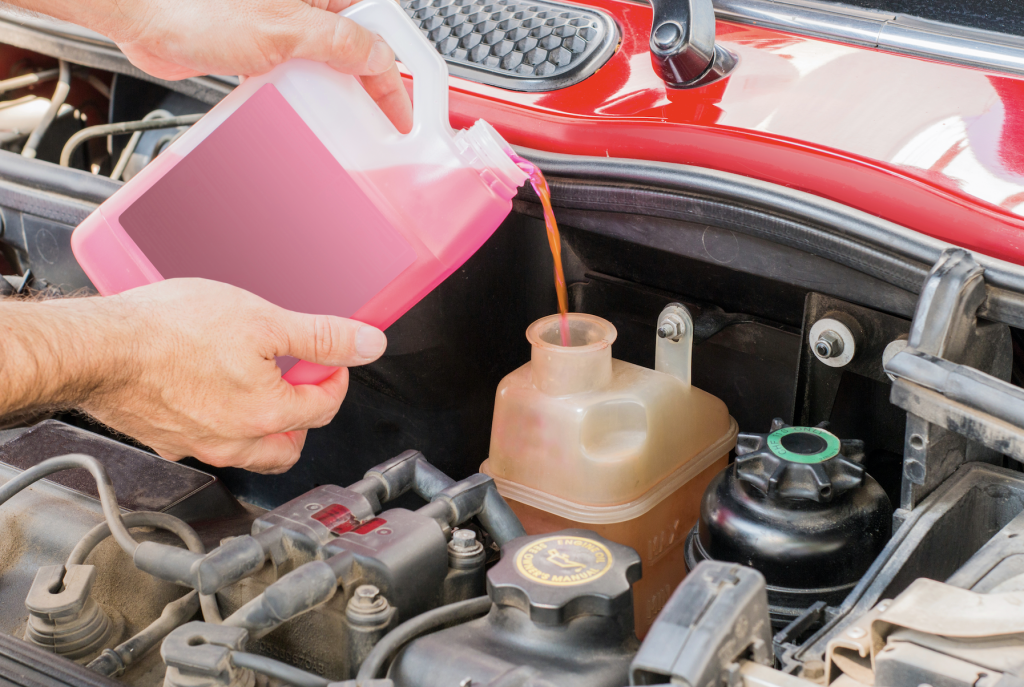
- Transmission fluid is important because it keeps your transmission lubricated and will save you from expensive repairs. The second dipstick in your engine is for this fluid. Like we did to check the engine’s oil, you will have to remove the dipstick, wipe it off, and reinsert it back into the tank. Pull it back out and examine where the fluid hits on the stick, it’s also a good idea to check the quality of your fluids. Wipe a small amount onto your fingers, if the fluid has a pink or clear look to it, it is fine. If the fluid smells burnt or has particles in it, it is time to swap it out.
Brake Fluid:
- From a safety standpoint, this is one of the most important fluids. Brake fluid basically keeps you from running into other cars and objects. You’ll find the brake fluid reservoir toward the back under your hood, be sure to clean off the outside of the compartment so any dirt or dust doesn’t enter the reservoir. Open up the cap and look inside to see where the fluid level is. It should be about a half-inch from the cap. If it is lower than that, check your owner’s manual for what fluid you should use. Also, if the fluid has a dark tint to it, bring your vehicle into our service department for a change of fluids.
Power Steering Fluid:
- It’s important to have control over your car and this fluid keeps the right parts lubricated to ensure a safe driving experience. This reservoir is typically found under the hood, on the passenger side with a cap that will likely say “steering” on it. Many cars have a light colored reservoir so you can see the level of fluid without removing the cap. If your car has a dark reservoir, clean off the cap before opening to avoid dirt particles from entering the system. Open up the cap and use the dipstick the same way as we did before, if the fluid is low, you can easily add more. Also, if your fluid level is low check for a leak in the system.
Windshield Washer Fluid:
- One important part of driving is being able to see out the windshield, this fluid is key to ensure that happens. Most vehicles have a clear washer fluid tank that will be labeled either “washer” or “windshield.” If you need to add more, simply pop the cap off and pour into the tank. Do not use soap and water if you are completely empty!! But, the window cleaner that you use at home can work until you fill up with the real stuff.
Connect with us


Recent Blog Entries
- This Month’s Volkswagen Specials Are Waiting at King Volkswagen
- Volkswagen Carefree Coverage Takes Care of the First Few Years
- Smart to Buy, Smarter to Own: Why Lower Maintenance Costs Matter More Than Most Drivers Realize
- The 2027 Volkswagen Atlas Feels Like the SUV People Actually Wanted in the First Place
- King Volkswagen Monthly Offers: Smart Value Meets Iconic German Engineering